







Search Results for: Brew Ratio
Cold Brew Coffee Powder-to-Water Ratio | How to Make Cold Brew with Drip Coffee Bags? How to Make Your Own Cold Brew Coffee Bags? Introduction to Panama Butterfly Coffee Flavor
For more specialty coffee knowledge, please follow our WeChat official account: Front Street Coffee (FrontStreet Coffee). Cold brew coffee has always been deeply loved by coffee enthusiasts. Cold brew coffee is easy to make, and can be made effortlessly at home or in the office. This time, Front Street will talk about the making of cold brew coffee. [more…]
Cold Brew Coffee Powder-to-Water Ratio | What Grind Setting for Cold Brew Coffee Beans? What Are the Pros and Cons of Cold Brew? Introduction to Cold Brew Coffee Extraction Principles, Flavor Characteristics, and Water-to-Coffee Ratio
For more specialty coffee knowledge, please follow: Front Street Coffee (Frontsteet Coffee). Cold brew coffee is simple to make, refreshing in taste, low in acidity and rich in flavor, making it very suitable for drinking in the hot summer. Therefore, many people want to make it at home themselves, and so they ask Front Street Coffee for tips on how to extract it and what to pay attention to. [more…]
Cold Brew Coffee Complete Guide: A Practical Guide from Coffee-to-Water Ratio and Grind Size to Extraction Time
On a scorching summer day, a refreshing glass of cold brew coffee always perks you right up. Compared with pour-over, cold brew has a much lower barrier to entry—just master a few key parameters like the coffee-to-water ratio, grind size, and steeping time, and you can easily make a rich, smooth iced coffee at home. In this article, Front Street Coffee will walk you through the complete cold brew process in detail, including how to choose the coffee-to-water ratio, how to control grind size, the relationship between water temperature and extraction time, and storage tips after filtering. We'll also analyze the flavor differences between cold brew and hot extraction to help you understand why cold brew tastes less acidic and astringent and feels smoother on the palate. Whether you're a beginner just getting into cold brew or a seasoned brewer looking to fine-tune your parameters, you'll find practical references here. [more…]
A Complete Guide to Cold Brew Coffee: From Grind Size and Ice-Water Ratio to Steeping Time
In the heat of summer, a refreshing low-acid cold brew coffee has become a favorite for many coffee lovers. But if you want to make a delicious cold brew at home, how coarse should the grind be? How should the ratio of ice water to coffee grounds be set? How long should it steep? This article starts with the origins of cold brew, the extraction principles, and its flavor characteristics, then explains key parameters such as the water-to-coffee ratio and grind size in detail, and includes Front Street Coffee's practical recipe and flavor description, helping you fully master the details of making cold brew coffee, avoid common pitfalls, and easily make a clean, smooth iced drink. [more…]
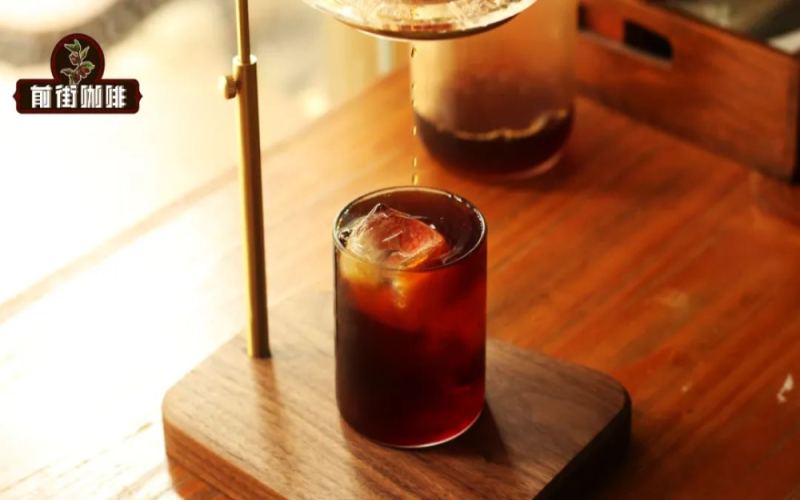
Is Cold Brew Coffee with Milk Good? A Detailed Guide to Cold Brew Coffee-to-Water Ratios and Brewing Tips
On a scorching summer day, iced coffee becomes many people's lifesaving elixir, and cold brew (cold steep) firmly holds the top spot among homemade iced coffees thanks to its simple operation and smooth taste. But many people secretly wonder: can the cold brew they've made be mixed with milk and drunk together? The answer is yes, but if you want the coffee aroma and milky fragrance to both shine, the ratio of grounds, water, and milk must be just right. This article breaks down everything one by one, from bean selection for cold brew, grind coarseness, coffee-to-water ratio, and steeping time, to the golden ratio for adding fresh milk, and also includes a lazy trick for making cold brew with drip bags, so you can easily recreate an iced milk coffee at home that rivals a café's. [more…]
How to Make Delicious Cold Brew Coffee: A Full Breakdown of Grind Size, Coffee-to-Water Ratio, and Flavor Characteristics
In the height of summer, a glass of iced coffee always brings instant refreshment. Cold brew coffee, with its simple preparation and smooth taste, has become a favorite among many office workers. It requires no complicated techniques—just a bottle, a bag of beans, and a night of waiting, and the next day you can enjoy a rich, full-bodied iced coffee. So, what exactly is the difference between cold brew coffee and regular iced coffee? How fine should the grind be? What ratio of coffee to water is appropriate? And how should extraction temperature and time be managed? In this article, Front Street Coffee will systematically explain the brewing parameters, flavor characteristics, and storage methods of cold brew coffee, helping you easily make a delicious cup of cold brew. [more…]
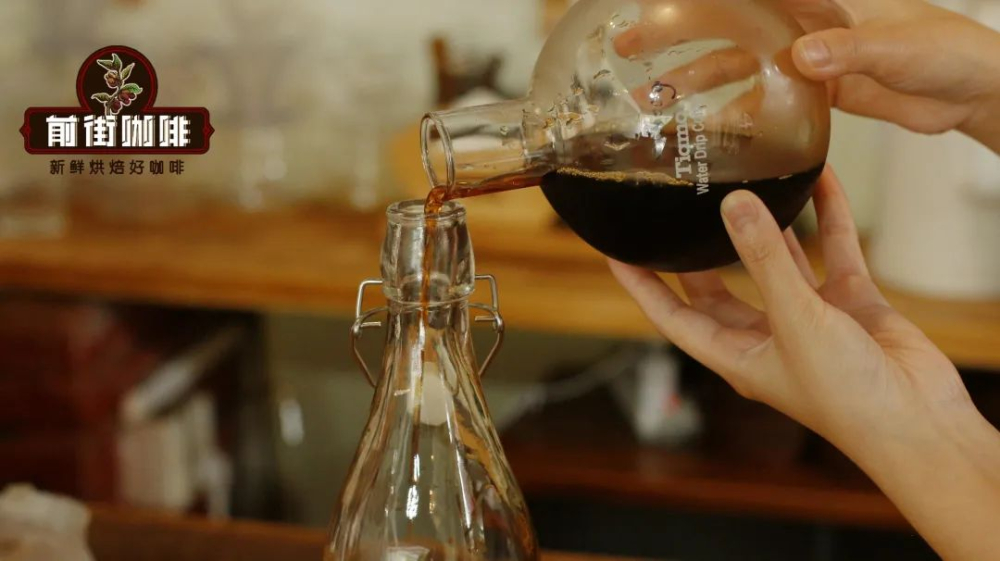
Detailed Guide to Cold Brew Coffee with Illustrations | What Is the Coffee-to-Water Ratio for Cold Brew? How Long Is the Cold Brew Extraction Time? Can You Drink Cold Brew Immediately After Making It?
For more specialty coffee knowledge, please follow the WeChat public account: Front Street Coffee (FrontStreet Coffee). For coffee partners, whether it's pour-over coffee, espresso, or cold brew coffee, the coffee fun they bring is different, but all are interesting. Entering the scorching [more…]
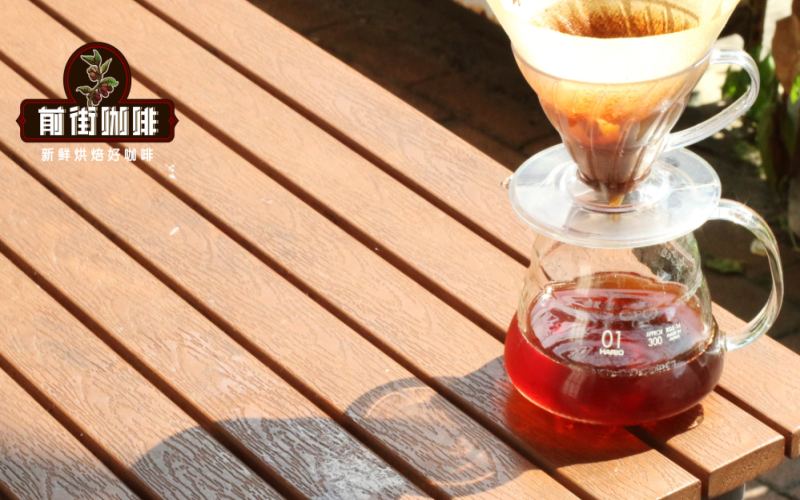
The Complete Guide to Making Cold Brew Coffee at Home: A Practical Guide from Bean Selection to Grind Ratio and Steeping Time
Making a delicious cold brew coffee at home is actually not complicated. Cold brew relies on low-temperature slow extraction, allowing small-molecule aromatic and acidic compounds to be released first, resulting in a light body with bright, well-balanced acidity and sweetness. All you need is coffee grounds, water, a sealed bottle, and a refrigerator. The real keys to success lie in three parameters: bean selection, grind size and coffee-to-water ratio, and steeping time. This article starts from flavor preferences, recommending beans such as Front Street Coffee Huakui, Xizhua, Queen's Estate, and PWN Golden Mandheling, and provides specific suggestions on grind coarseness, coffee-to-water ratio, and steeping time. Finally, using "Mozart" as an example, it fully demonstrates the production process and filtration method for 80g of grounds, 1:10 ratio, and 12 hours of refrigeration, helping you consistently replicate your ideal flavor. [more…]
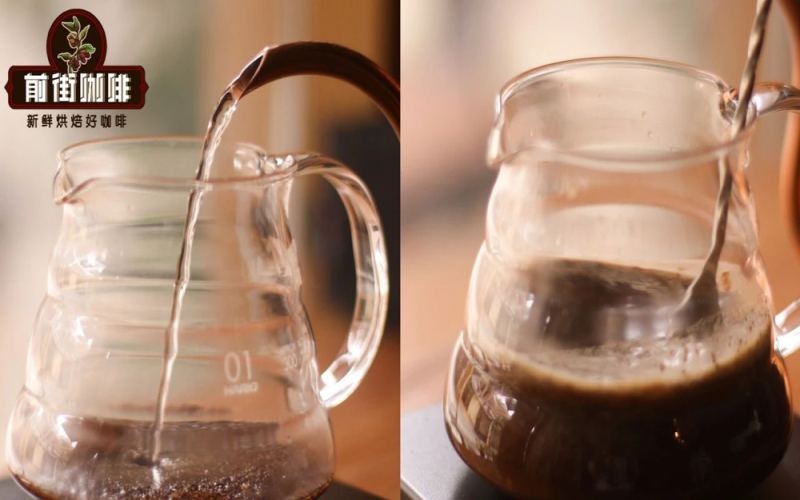
Cold Brew Coffee Brewing Guide: Analyzing the Impact of Coffee-to-Water Ratio and Grind Size on Flavor
Cold brew coffee, with its light body and sweet-and-sour flavor profile brought by low-temperature extraction, has become the top choice for many coffee lovers at home. However, different coffee-to-water ratios, grind sizes, and steeping times can all cause noticeable differences in the final taste. This article takes the Kenya·Little Tomato coffee beans as an example and, through four sets of coffee-to-water ratio experiments at 1:8, 1:10, 1:12, and 1:15, provides a detailed comparison of the concentration, acidity, sweetness, and aftertaste performance of cold brew at each ratio, helping you find the cold brew recipe that suits you best. It also shares why Front Street Coffee prioritizes the 1:10 ratio in its daily service, and how drinking it over ice can accommodate different taste preferences. [more…]
The Complete Guide to Cold Brew Coffee: A Detailed Explanation of the Three Key Parameters—Grind Ratio and Steeping Time
Cold brew coffee, with its light body and sweet-tart flavor profile from low-temperature extraction, has become a favorite among many coffee lovers. Making cold brew isn't complicated—all you need is ground coffee, water, an airtight container, and a refrigerator. But to brew the ideal cup, three parameters must be precisely controlled: grind size, coffee-to-water ratio, and steeping time. This article will systematically explain the principles and practical steps of making cold brew, and using Front Street Mozart coffee beans as an example, provide a complete parameter plan and workflow to help you easily make a cup of cold brew full of juicy fruitiness at home. [more…]
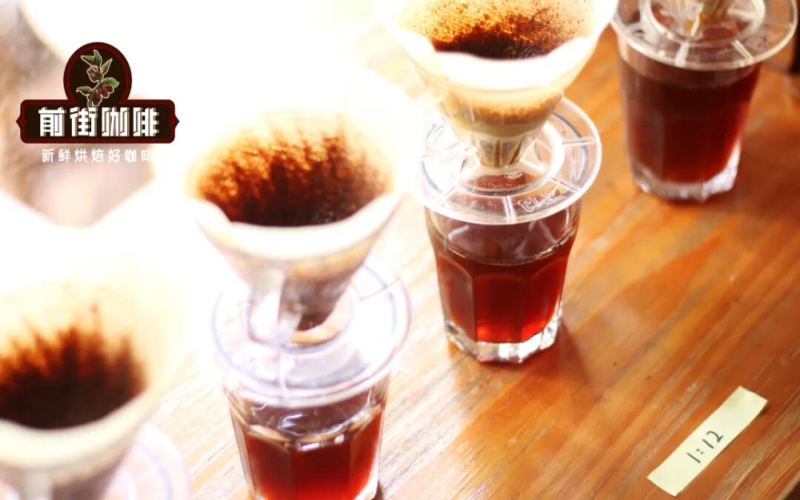
Cold Brew Coffee Ratios | How Does Cold Brew Made with Different Coffee-to-Water Ratios Taste Different? What Coffee-to-Water Ratio Is Suitable for Making Cold Brew Coffee?
Cold brew coffee essentially refers to the fact that under low-temperature conditions, small-molecule substances tending toward aroma and acidity are more easily released into cold water, so the coffee tastes light and is mostly characterized by a sweet-and-sour profile. In addition, since it is not limited by equipment or location, cold brew can be said to be a coffee that people can easily access—at home, as long as you have raw [more…]
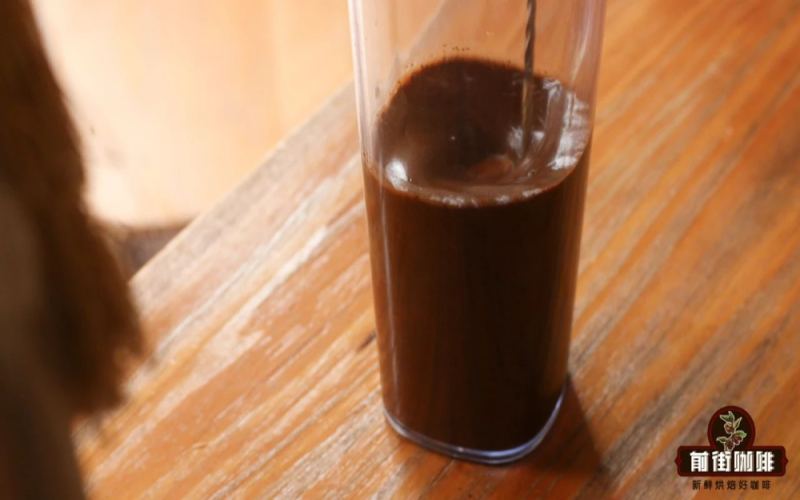
How to determine the coffee-to-water ratio for cold brew? Flavor differences across ratios and an analysis of Front Street Coffee's recommended beans
Cold brew coffee, through its low-temperature slow extraction, can present a unique flavor that is light and delicately balanced between sweet and tart, and it can easily be made at home. However, many people wonder: why isn't the coffee-to-water ratio for cold brew fixed like it is for pour-over? Some use 1:8, some use 1:10, and others go as high as 1:15. What kind of taste differences do these different ratios actually create? This article will use a practical side-by-side experiment to help you understand how factors such as coffee-to-water ratio, grind size, and steeping time affect cold brew flavor. Using Kenya Little Tomato as an example, it will also explain how to choose coffee beans suitable for cold brew, and share why Front Street Coffee prioritizes a 1:10 ratio in its daily production. [more…]
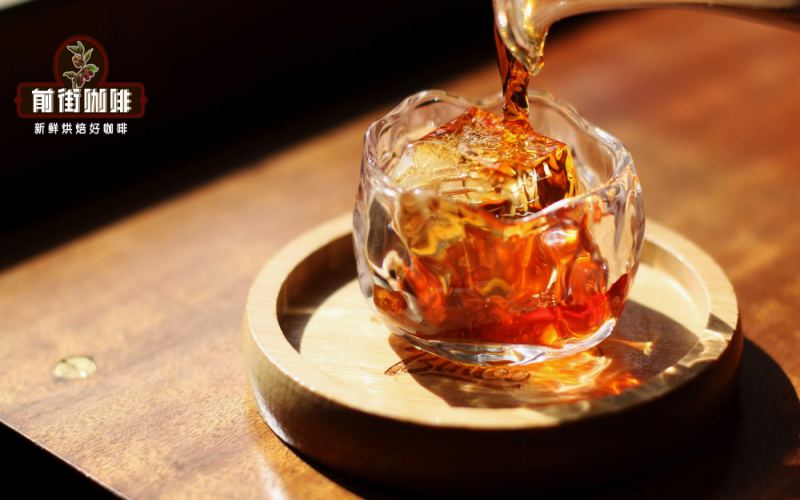
Cold Brew Coffee Making Guide: Coffee-to-Water Ratio, Grind Size Selection, and Front Street Coffee Bean Recommendations
The weather is gradually turning cooler, but the midday sun in the south still shows no sign of letting up. In the dry season, drinking pour-over coffee easily makes the throat feel dry, so a glass of ice-cold cold brew coffee has become the first choice for many people. Many friends are concerned about how to determine the coffee-to-water ratio for cold brew, how fine the coffee beans should be ground, and which beans are suitable for cold brewing. In this article, Front Street focuses on these key points, first explaining the characteristics of low-temperature extraction in cold brew coffee, then giving the usage scenarios for two coffee-to-water ratios, 1:13 and 1:10. Next, using 30g of coffee grounds as an example, it explains the grind size, the amounts of ice and water, the steeping time, and the filtering method, and reminds readers that grinding too fine can bring out a woody taste and reduce cleanliness. The article will also explain the best drinking period and storage suggestions after cold brew is filtered, and recommend four Front Street Coffee beans suitable for cold brew, helping you make a cup of cold brew with balanced acidity and sweetness and a smooth mouthfeel at home. [more…]
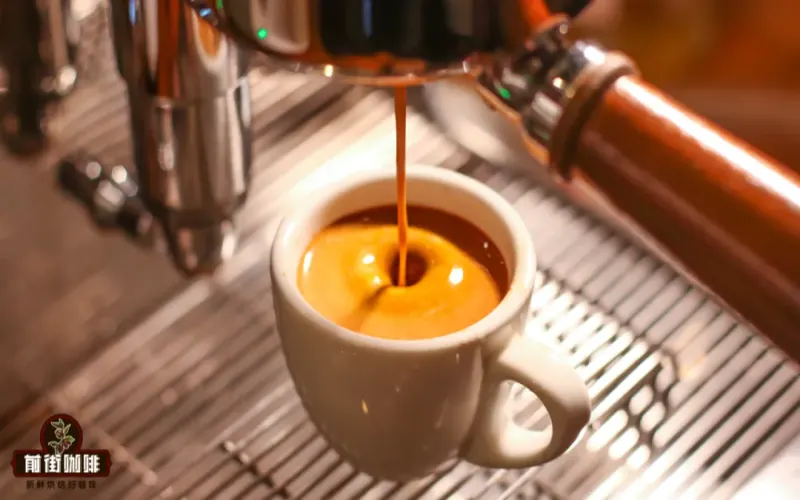
Why is the espresso brew ratio often set at 1:2? Must 18 grams of coffee yield 36 milliliters?
Many friends who are just getting into espresso have heard the saying: the brew ratio for espresso should be controlled at 1:2, for example, 18 grams of coffee grounds extracted into 36 milliliters of espresso. This ratio is often called the "golden ratio," but is it really the only standard? Actually, it is not. The brew ratio determines the strength of the coffee, and the strength in turn directly affects how the espresso performs when drunk on its own or paired with milk. This article centers on the relationship between brew ratio and actual extraction, explaining why 1:2 has become a commonly used reference value, and why ratios such as 1:1.5 and 1:2.5 are equally viable, helping coffee enthusiasts understand espresso extraction parameters more flexibly. [more…]
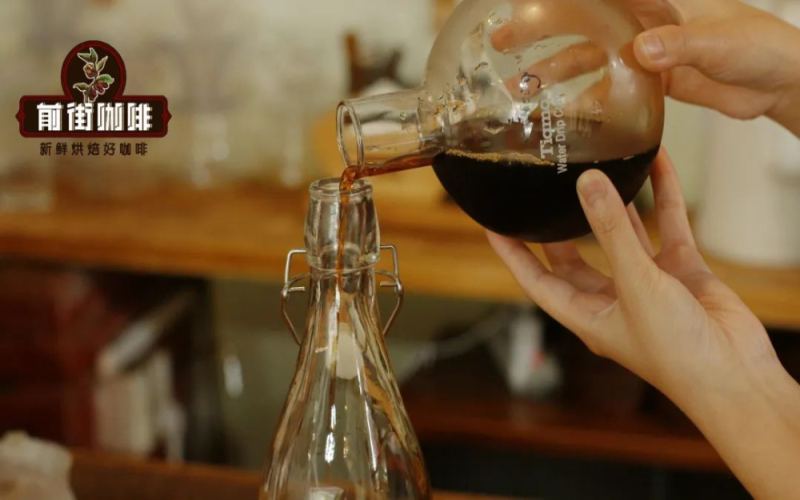
Illustrated Guide to Making Cold Brew Coffee | What Powder-to-Water Ratio Is Suitable for Cold Brew Coffee? How Long Does Cold Brew Coffee Extraction Take? Can You Drink It Immediately After Making It?
For more specialty coffee knowledge, please follow our WeChat official account: Front Street Coffee (FrontStreet Coffee). For coffee partners, whether it's pour-over coffee, espresso, or cold brew coffee, the coffee fun they bring is different, but all are interesting. Entering the scorching [more…]
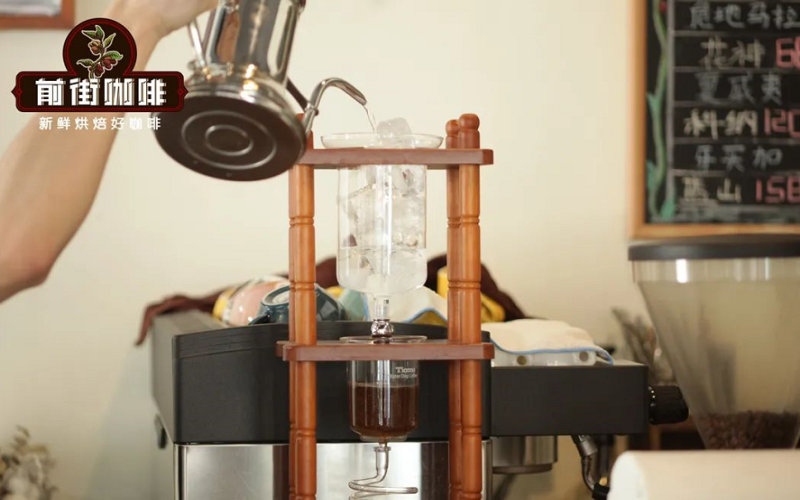
A Complete Guide to Cold Brew Coffee: Five Key Points from Bean Selection to Extraction Ratio
Cold brew coffee has become increasingly popular in the specialty coffee scene in recent years, thanks to its rich flavor and refreshing taste. Making a good cup of cold brew at home is actually not complicated—put ice water on top, coffee grounds in the middle, and a carafe at the bottom to catch the coffee, letting the ice water drip through the coffee bed one drop at a time, and extraction is complete in about six hours. However, this seemingly simple process hides many details that affect flavor. Front Street Coffee breaks down five key factors one by one—from bean selection, grind size, drip rate, and coffee-to-water ratio to how you drink it—and offers specific parameter recommendations, such as grind pass rate, a rhythm of 7 drops per 10 seconds, and a rich 1:10 ratio, helping coffee lovers consistently reproduce their ideal cold brew flavor. [more…]
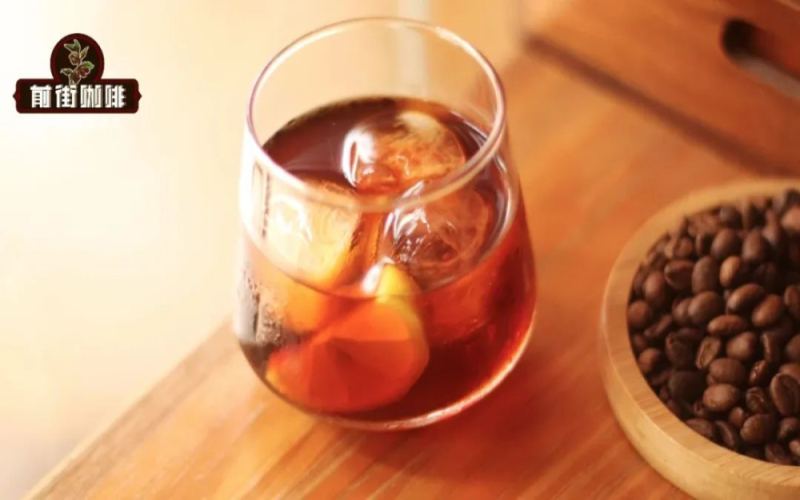
How to determine the coffee-to-water ratio for cold brew? A comparison of actual tests from 1:8 to 1:15 and an analysis of the parameters.
The coffee-to-water ratio for cold brew has always been a hot topic among enthusiasts. Some prefer the intensity of 1:8, others are used to the lightness of 1:15, while Front Street Coffee's daily offerings mostly use 1:10. Which ratio is actually the most suitable? Starting from the principles of extraction, this article systematically analyzes the impact of coffee-to-water ratio on cold brew flavor, and shares key parameters such as grind size, steeping time, and water quality selection. At the same time, using Kenya AA washed beans as an example, it conducts actual taste tests of the differences among four ratios—1:8, 1:10, 1:12, and 1:15—to help you make a cup of cold brew coffee at home with balanced acidity and sweetness and clear flavor. [more…]
The Complete Guide to Cold Brew Coffee: How Grind Size, Coffee-to-Water Ratio, and Steeping Time Affect Flavor
On a sweltering summer day, a glass of refreshingly cool cold brew coffee becomes the top choice for many office workers. Compared with pour-over coffee, cold brew has a lower barrier to entry—simply grind the beans and soak them the night before, refrigerate overnight, and the next morning you can enjoy a rich, full-bodied glass of iced coffee. However, to make a delicious cold brew, the coffee-to-water ratio, grind size, extraction temperature, and time are all indispensable parameters. Front Street Coffee, using 50 grams of ground coffee as the baseline, has summarized a simple and easy-to-follow cold brew method and offers concentration adjustment suggestions for different drinking scenarios. This article will break down in detail the key points of making cold brew, the causes of its flavor, and storage methods, helping coffee enthusiasts easily recreate at home a cup of cold brew with distinct layers and a pronounced sweet aftertaste. [more…]
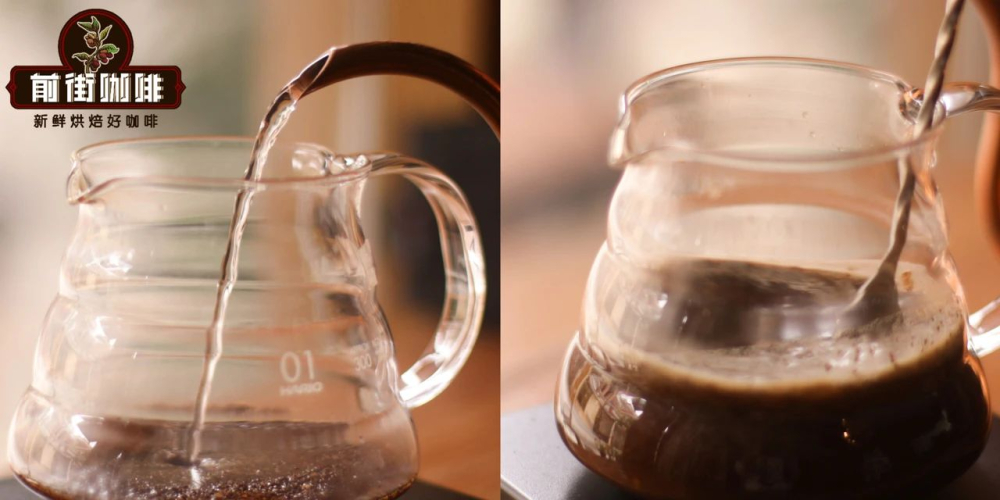
Cold Brew Ratio Guide | What Is Cold Brew? How to Make Great Cold Brew Coffee? How Does the Taste Differ with Different Water-to-Coffee Ratios?
For more specialty coffee knowledge, please follow our WeChat official account: Front Street Coffee (FrontStreet Coffee). Cold brew coffee essentially means that under low-temperature conditions, small-molecule substances that tend toward aroma and acidity are more easily released into cold water, so the coffee tastes light-bodied and tends to express [more…]
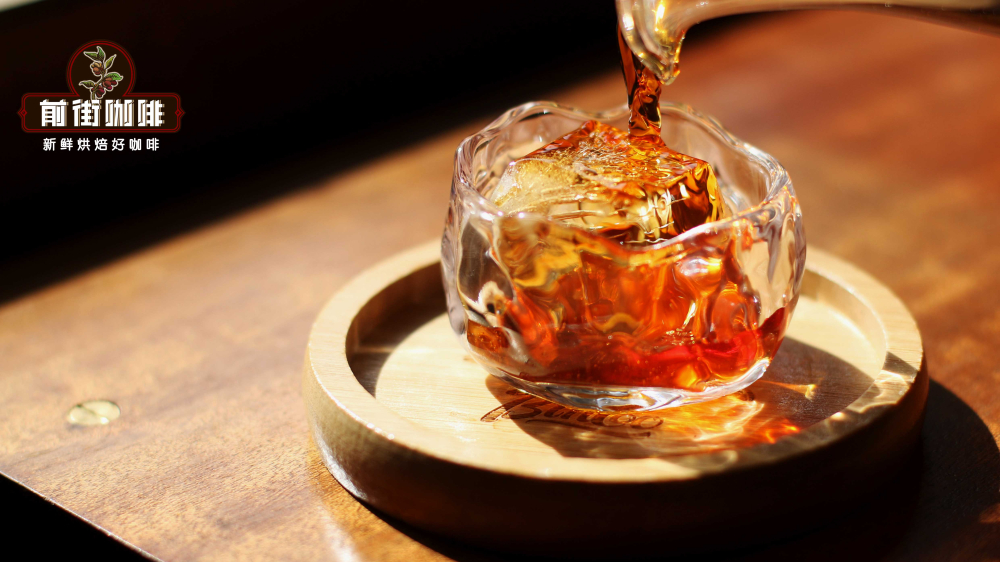
Cold Brew Coffee Grounds-to-Water Ratio | How to Make Cold Brew Coffee at Home? Should the Finished Cold Brew Concentrate Be Diluted with Water? How Long Does Cold Brew Last?
The arrival of autumn has cooled the stuffy weather, but many friends in the south can still feel the enthusiasm of the sun at noon. Drinking pour-over coffee in this dry season often leaves the throat feeling parched, and at times like this, ice-cold cold brew coffee becomes everyone's favorite. Some friends may ask about cold brew coffee's [more…]